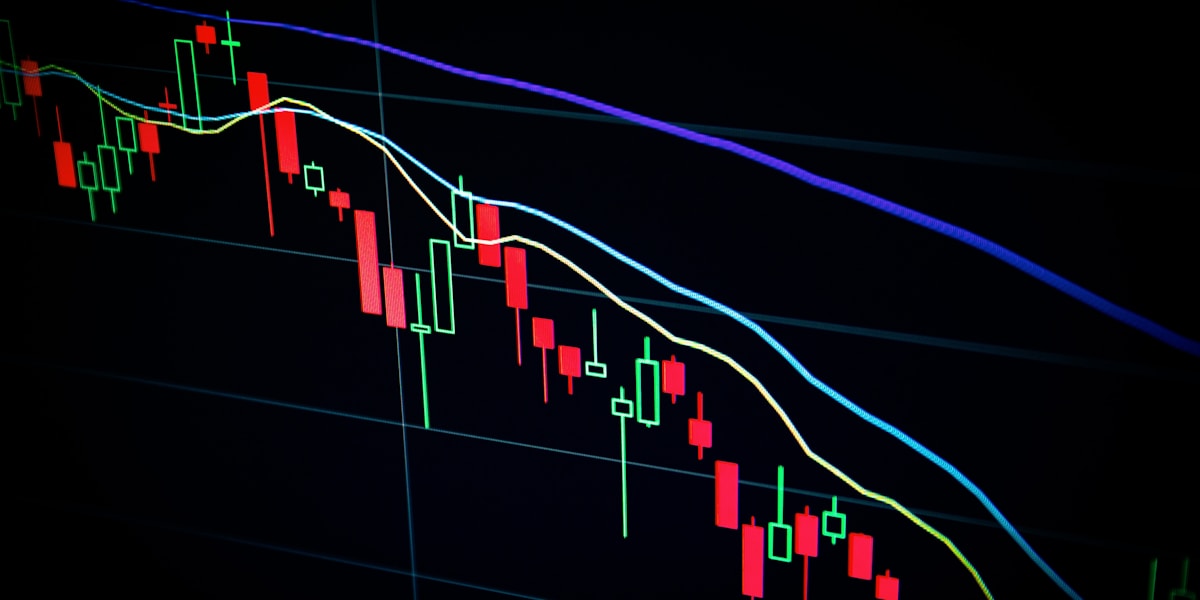
Essential risk management strategies for traders including position sizing, stop losses, and diversification.
Risk Management Strategies Every Trader Should Know
The goal of trading is not just to make money — it is to keep it. Professional traders know that risk management, not trade selection, is the foundation of long-term survival in the markets. Without a structured approach to protecting your capital, even a strategy with a high win rate can lead to total account loss during an inevitable losing streak.
This guide outlines the fundamental risk management techniques every trader should implement from day one.
What is the 1% Rule in Trading?
The 1% Rule states that you should never risk more than 1% of your total account balance on a single trade — it is the cornerstone of professional risk management.
For example, with a $10,000 account, your maximum risk per trade is $100. This ensures that even a losing streak of ten consecutive trades only draws your account down by roughly 10%, leaving you with enough capital to recover and continue trading.
How Do Stop-Loss and Take-Profit Orders Work?
Stop-loss and take-profit orders are automated instructions that close your trade at predefined price levels, removing emotion from your exit decisions entirely.
- Stop-Loss (SL): Automatically closes your trade if the market moves against you to a level you define. It is your safety net — the maximum you are willing to lose on that position.
- Take-Profit (TP): Automatically closes your trade once it reaches your target profit, preventing you from holding a winning trade too long until it reverses.
The Mental Stop-Loss Trap
Beginners often rely on "mental stop-losses" — promising themselves they will close the trade manually if it hits a certain price. In practice, hope takes over and traders hold losing positions far longer than planned. Always use hard, automated stop-losses.
What is the Risk-to-Reward Ratio and Why Does It Matter?
The Risk-to-Reward ratio (RRR) measures how much you risk on a trade relative to the potential profit — a 1:2 ratio means risking $100 to potentially make $200.
With a 1:2 ratio, you only need to be correct 34% of the time to remain profitable over the long run. This mathematical edge is how disciplined traders stay profitable even when they lose more trades than they win.
- Risk: $100 (Stop-Loss distance)
- Reward: $200 (Take-Profit target)
How Does Leverage Affect Risk in Trading?
Leverage amplifies both profits and losses — using high leverage on a volatile market can trigger a margin call and wipe out your account far faster than trading without leverage.
In volatile markets like Forex or CFDs, high leverage means a relatively small move against your position can exceed your margin, causing your broker to close your positions automatically. Always choose a leverage level that matches your experience and the volatility of the market you are trading.
What is Diversification in Trading?
Diversification means spreading your risk across different, uncorrelated assets rather than concentrating exposure in a single market or group of correlated instruments.
If you open trades on EUR/USD, GBP/USD, and AUD/USD simultaneously, you are not truly diversified — all three pairs are heavily influenced by the US Dollar, meaning a single news event could trigger all three stop-losses at once.
Strategy: Spread risk across different asset classes — for example, one forex position, one index CFD, and one commodity — to avoid over-exposure to any single market move.
How Do You Apply Risk Management as a Beginner?
Apply risk management before you trade live by testing your rules on a demo account across 20 to 50 trades. Trading is a marathon, not a sprint. The traders who survive long term treat capital like a business asset — not a lottery ticket.
By following the 1% rule, using automated stop-losses, maintaining a healthy risk-to-reward ratio, and diversifying across uncorrelated markets, you move from speculating emotionally to executing a calculated, repeatable process.
Frequently Asked Questions
What is risk management in trading?
What is the 1% risk rule in trading?
What is a stop-loss order?
How do I calculate position size?
Why is risk management important for beginner traders?
Capital at risk. Trading in financial instruments carries a high level of risk to your capital. This content is for informational purposes only and is not financial advice.